


When it comes to insulated vinyl siding installation, you're stepping into a world where energy efficiency and aesthetics collide. Get ready to delve into the intricacies of this process as we explore the ins and outs of upgrading your exterior with insulated vinyl siding.
Insulated vinyl siding is not just about looks - it's a smart choice for maintaining your home's temperature and saving on energy costs. Let's walk through everything you need to know about this innovative siding option.
Introduction to Insulated Vinyl Siding Installation
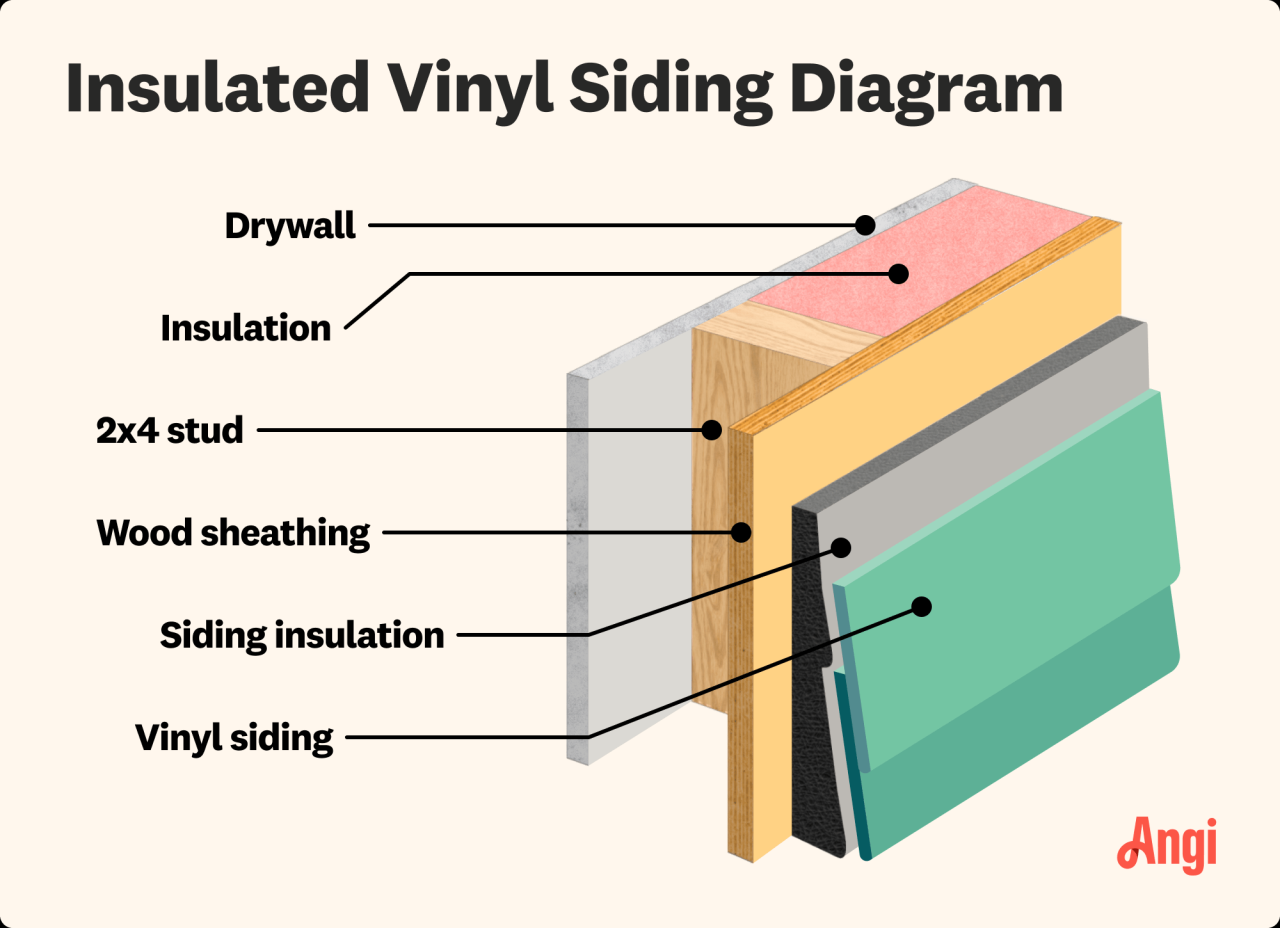
Insulated vinyl siding is a type of exterior cladding material that includes a layer of insulation to provide additional energy efficiency and protection for your home. This siding is made from polyvinyl chloride (PVC) and is known for its durability, low maintenance, and aesthetic appeal.Using insulated vinyl siding offers several benefits for homeowners.
Not only does it improve the energy efficiency of your home by reducing heat loss in the winter and heat gain in the summer, but it also helps with noise reduction and can increase the overall value of your property.
Additionally, insulated vinyl siding comes in a variety of colors and styles to suit your personal taste and home's architecture.Proper installation of insulated vinyl siding is crucial for maximizing its energy-saving benefits. When installed correctly, the siding creates a continuous thermal barrier around your home, preventing air leaks and improving insulation.
This helps reduce your heating and cooling costs, making your home more comfortable and environmentally friendly.
Pre-Installation Preparation
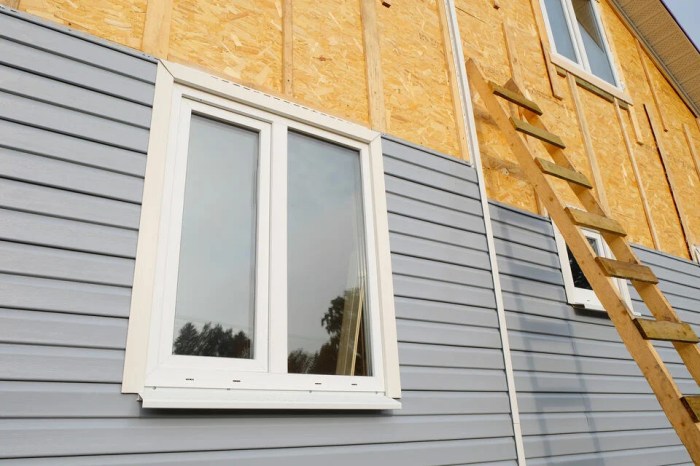
Before starting the installation of insulated vinyl siding, it is crucial to gather the necessary tools and materials, prepare the existing exterior surface, and take safety precautions to ensure a successful project.
Tools and Materials Needed
- Vinyl siding panels
- Insulation boards
- J-channel
- Utility knife
- Tin snips
- Tape measure
- Caulk gun
- Level
- Pneumatic nail gun
- Safety goggles and gloves
Preparing the Existing Exterior Surface
Before installing insulated vinyl siding, make sure the exterior surface is clean, smooth, and free of any debris or damage. Follow these steps:
- Remove any existing siding or trim that may be in the way.
- Inspect the wall for any rot or water damage and repair as needed.
- Install a weather-resistant barrier to protect against moisture.
- Measure and cut the insulation boards to fit between the wall studs.
Safety Precautions
- Wear safety goggles and gloves to protect your eyes and hands from debris and sharp edges.
- Use caution when working at heights and always use a ladder or scaffolding properly.
- Avoid working in extreme weather conditions such as high winds or rain.
- Ensure all power tools are in good working condition and follow the manufacturer's instructions.
Installation Process
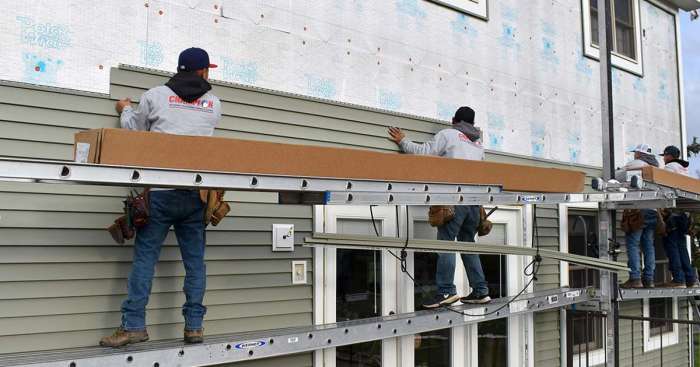
Installing insulated vinyl siding involves a step-by-step process that ensures a proper and secure fit for the exterior of a building. Properly measuring and cutting the siding panels is crucial for a seamless installation. Once the panels are cut to size, securing them to the exterior of the building is essential for durability and aesthetic appeal.
Measuring and Cutting Siding Panels
To begin the installation process, accurately measure the dimensions of the area where the siding will be installed. Use a tape measure to determine the length and width of each section, accounting for any openings such as windows or doors.
Once the measurements are taken, carefully mark the siding panels with a pencil and use a sharp utility knife or specialized cutting tool to cut the panels to size. It is crucial to ensure precise cuts to achieve a professional-looking finish.
Securing Siding to the Exterior
After the siding panels have been measured and cut, it is time to secure them to the exterior of the building. Start at one end of the wall and work your way across, ensuring each panel is properly aligned and securely fastened.
Use nails or screws to attach the panels to the wall, following the manufacturer's guidelines for spacing and placement. Pay close attention to corners and edges to ensure a tight fit and proper sealing to prevent moisture infiltration. Regularly check the level and alignment of the panels throughout the installation process to maintain a uniform appearance.
Insulation & Weatherproofing
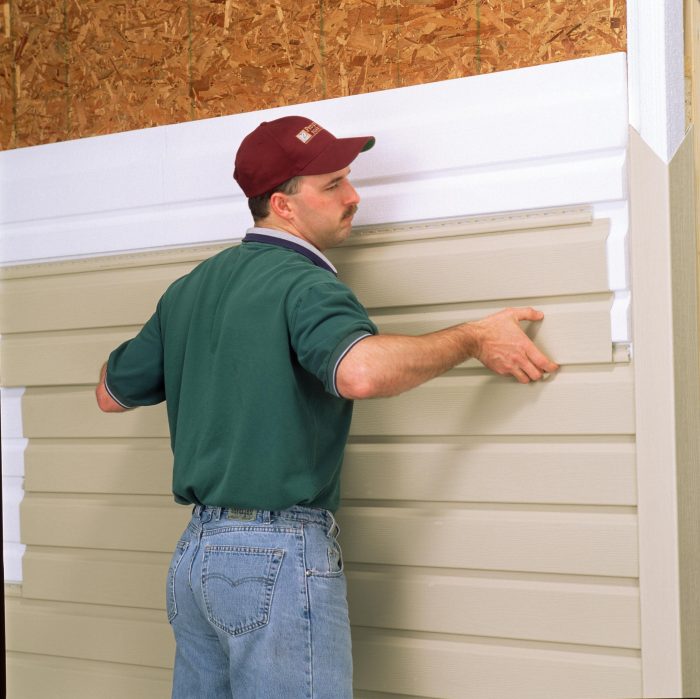
Insulation plays a crucial role in insulated vinyl siding by creating a barrier that helps regulate the temperature inside the home and reduce energy costs. It also helps in soundproofing the house and providing added protection against moisture and mold
Proper Insulation Installation
- Ensure that the insulation material is properly fitted and covers all areas of the wall to prevent any gaps.
- Use insulation with a high R-value to maximize energy efficiency and thermal resistance.
- Inspect the existing insulation in the walls before installing the insulated vinyl siding to identify any areas that may need additional insulation.
Weatherproofing with Insulated Vinyl Siding
- Insulated vinyl siding acts as a weather barrier, protecting the home from harsh weather conditions such as rain, wind, and snow.
- It helps to prevent moisture infiltration, which can lead to mold growth and structural damage over time.
- Properly installed insulated vinyl siding can improve the overall durability of the home and reduce maintenance costs in the long run.
Finishing Touches & Maintenance
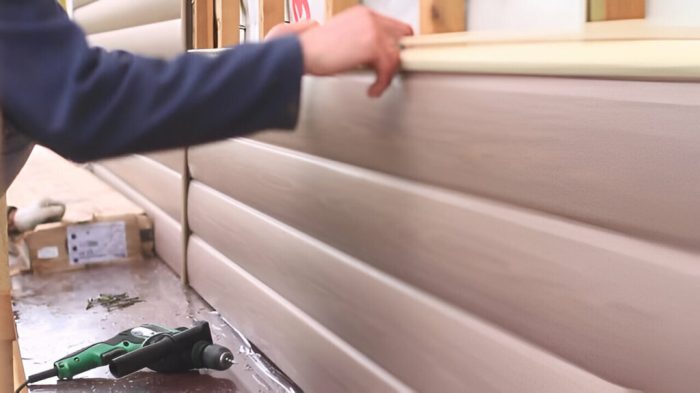
When it comes to insulated vinyl siding installation, paying attention to the finishing touches is crucial for a polished final look. Additionally, proper maintenance is key to ensuring the longevity of your siding and keeping your home looking its best.
Caulking and Sealing Seams
To achieve a seamless finish, it is essential to properly caulk and seal the seams of your insulated vinyl siding. This not only enhances the appearance of your siding but also helps prevent moisture from seeping in and causing damage.
Make sure to use a high-quality caulking material that is compatible with vinyl siding and follow the manufacturer's instructions for application.
Maintenance Tips
- Regular Cleaning: Keep your insulated vinyl siding clean by washing it with a mild detergent and water. This helps prevent dirt and grime buildup, maintaining its appearance.
- Inspect for Damage: Periodically inspect your siding for any signs of damage, such as cracks, chips, or loose panels. Addressing these issues promptly can prevent further damage.
- Trim Vegetation: Trim any trees or bushes near your siding to prevent branches from scratching or damaging the surface. This also helps maintain proper airflow and prevents moisture buildup.
- Avoid Harsh Chemicals: When cleaning your siding, avoid using harsh chemicals or abrasive materials that could damage the surface. Stick to gentle cleaning solutions and a soft brush or cloth.
- Professional Inspection: Consider hiring a professional inspector to assess the condition of your insulated vinyl siding periodically. They can identify any potential issues early on and recommend necessary repairs or maintenance.
Cost Considerations & ROI
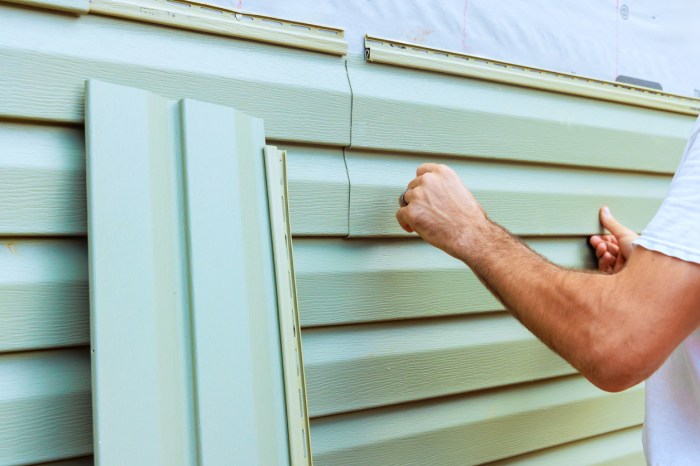
When it comes to insulated vinyl siding installation, there are several cost factors to consider. The initial cost of materials and installation can vary depending on the size of your home, the quality of the siding chosen, and the complexity of the installation process.
However, it's essential to look beyond the upfront costs and consider the long-term return on investment (ROI) that insulated vinyl siding can provide.
Cost Factors in Insulated Vinyl Siding Installation
- Cost of materials: The cost of insulated vinyl siding can vary based on the quality and brand you choose.
- Installation labor costs: Hiring professional installers will add to the overall cost of the project.
- Additional materials and accessories: Trim pieces, insulation, and other accessories can also contribute to the total cost.
Return on Investment from Insulated Vinyl Siding
Insulated vinyl siding offers excellent ROI due to its durability, energy efficiency, and low maintenance requirements. By choosing insulated vinyl siding, homeowners can expect to see savings on energy bills, increased property value, and reduced maintenance costs over time.
Comparing Costs and Benefits
- Insulated vinyl siding vs. traditional vinyl siding: While the initial cost of insulated vinyl siding may be higher, the long-term energy savings and durability can make it a more cost-effective option.
- Insulated vinyl siding vs. other siding materials: When compared to materials like wood or fiber cement, insulated vinyl siding often proves to be more cost-effective due to its lower maintenance requirements and higher energy efficiency.
Concluding Remarks
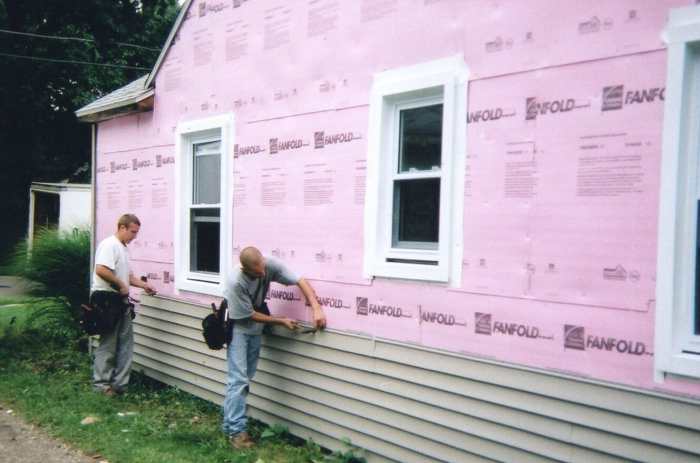
As we wrap up our discussion on insulated vinyl siding installation, remember that this upgrade is more than just a cosmetic change. It's an investment in your home's comfort and sustainability. Whether you're enhancing your curb appeal or aiming for better insulation, insulated vinyl siding offers a blend of practicality and style that's hard to beat.
FAQs
How does insulated vinyl siding help with energy efficiency?
Insulated vinyl siding acts as a barrier, preventing heat transfer between the interior and exterior of your home, thus reducing the workload on your heating and cooling systems.
What tools and materials are needed for insulated vinyl siding installation?
Common tools include a tape measure, utility knife, hammer, and a level. Materials needed may include siding panels, trim pieces, and nails.
What is the typical return on investment for choosing insulated vinyl siding?
The return on investment for insulated vinyl siding can vary, but it generally offers long-term savings on energy costs and can increase the overall value of your home.