


Exploring the world of siding replacement contractors, this guide delves into the crucial role they play in transforming your home. From boosting curb appeal to ensuring structural integrity, siding replacement contractors are the key to a successful home improvement project.
As we journey through the various types of siding materials, factors to consider when hiring a contractor, and the steps involved in a replacement project, you'll gain a comprehensive understanding of how to elevate your property to new heights.
Importance of Siding Replacement Contractors
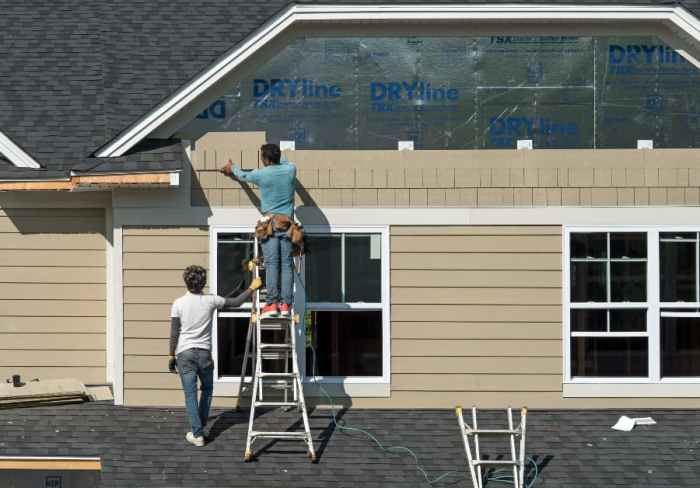
When it comes to home improvement projects, siding replacement contractors play a crucial role in ensuring the overall success and quality of the work. These professionals are trained and experienced in handling various types of siding materials, techniques, and tools, making them the best choice for any siding replacement job.
Benefits of Hiring Professional Contractors for Siding Replacement
- Expertise: Siding replacement contractors have the knowledge and skills to properly assess the condition of your current siding, recommend the best replacement options, and execute the installation with precision.
- Quality Workmanship: Professional contractors are equipped with the right tools and techniques to deliver high-quality results that not only enhance the aesthetic appeal of your property but also improve its functionality and durability.
- Time and Cost-Efficiency: Hiring professionals for siding replacement can help you save time and money in the long run. They can complete the project efficiently, minimizing any potential delays or errors that may occur with DIY or inexperienced attempts.
- Warranty and Guarantee: Most reputable siding replacement contractors offer warranties on their work, providing you with peace of mind knowing that your investment is protected.
Examples of How Siding Replacement Contractors Enhance Property
By hiring siding replacement contractors, homeowners can transform the exterior of their properties in various ways, such as:
- Updating the look and style of the home with modern and visually appealing siding materials.
- Improving energy efficiency by installing insulated siding that helps regulate indoor temperatures.
- Repairing damaged siding to prevent water infiltration and protect the structural integrity of the property.
Types of Siding Materials
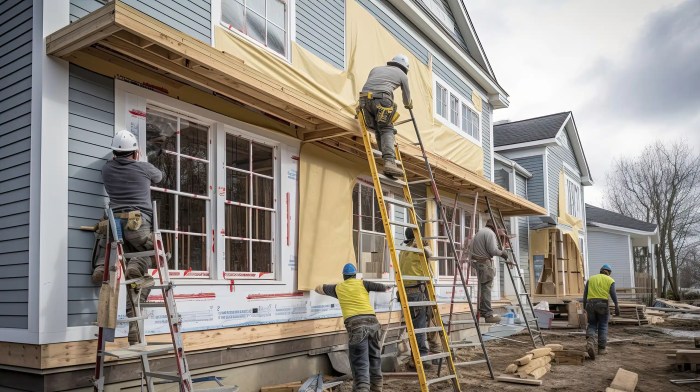
When it comes to siding replacement projects, there are several types of siding materials to choose from. Each material has its own set of pros and cons, as well as varying levels of durability and maintenance requirements.
Vinyl Siding
Vinyl siding is a popular choice due to its affordability and low maintenance. It is available in a wide range of colors and styles, making it versatile for different home designs. However, vinyl siding may crack or fade over time, and it is not as durable as some other materials.
Fiber Cement Siding
Fiber cement siding is known for its durability and resistance to rot, insects, and fire. It can mimic the look of wood or stucco without the high maintenance requirements. However, fiber cement siding is heavier and more expensive than vinyl, requiring professional installation.
Wood Siding
Wood siding gives a natural and timeless look to a home, with options like cedar, pine, or redwood. It can be stained or painted in various colors for a customized appearance. However, wood siding requires regular maintenance, such as painting or staining, to prevent rot, warping, and insect damage.
Aluminum Siding
Aluminum siding is lightweight, durable, and resistant to rust and corrosion. It can be painted in different colors and styles to enhance the curb appeal of a home. However, aluminum siding may dent easily and is not as energy efficient as other materials.
Brick Siding
Brick siding offers a classic and elegant look to a home, with exceptional durability and low maintenance requirements. It provides good insulation and fire resistance, adding value to the property. However, brick siding is one of the most expensive options and may require specialized installation.
Factors to Consider When Hiring a Siding Replacement Contractor
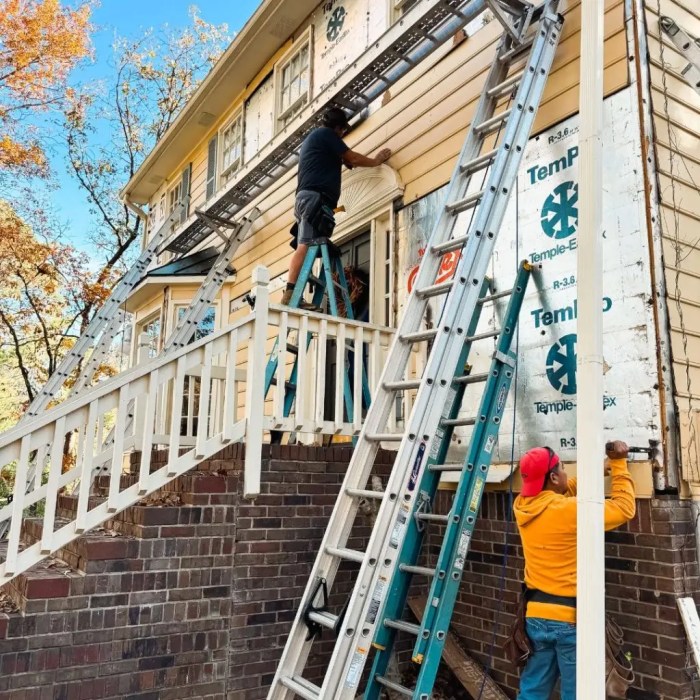
When hiring a siding replacement contractor, there are several important factors to consider to ensure you make the right choice for your home. From pricing structures to credibility and reputation, here is a checklist to guide you through the selection process.
Comparing Pricing Structures and Quotes
When looking for a siding replacement contractor, it's essential to obtain quotes from multiple contractors to compare pricing structures. Make sure to request detailed estimates that Artikel the cost of materials, labor, and any additional services
Verifying Credibility and Reputation
Before hiring a siding replacement contractor, take the time to research their credibility and reputation. Look for online reviews, testimonials from previous clients, and check if they are licensed and insured. You can also ask for references and contact them to inquire about their experience working with the contractor.
A reputable contractor will have a solid track record of satisfied customers and a good standing in the industry.
Steps Involved in Siding Replacement Projects

Replacing siding involves several key steps to ensure a successful project. From preparation work to post-installation inspections, each step plays a crucial role in the overall outcome of the siding replacement project.
Preparation Work
Before the installation of new siding can begin, there are several preparation tasks that need to be completed. This includes:
- Removing the existing siding: The old siding needs to be carefully removed to make way for the new installation.
- Inspecting the exterior walls: It's important to check the condition of the exterior walls for any damage or underlying issues that need to be addressed before installing the new siding.
- Repairing any damage: Any damage found during the inspection should be repaired to ensure a smooth installation process and prevent future issues.
- Cleaning the work area: The work area should be cleaned and prepped to provide a clean surface for the new siding to be installed.
Installation Process
Once the preparation work is complete, the installation of the new siding can begin. This typically involves:
- Measuring and cutting the new siding materials to fit the exterior walls accurately.
- Securing the siding panels or pieces according to the manufacturer's instructions and industry best practices.
- Ensuring proper insulation and weatherproofing to protect the home from the elements.
- Finishing touches such as caulking, trim work, and painting to enhance the appearance and durability of the new siding.
Post-Installation Inspections and Maintenance
After the new siding is installed, it's essential to conduct post-installation inspections to ensure everything is in place and functioning correctly. Additionally, regular maintenance is crucial to prolong the lifespan of the siding and keep it looking its best. This includes:
- Inspecting the siding regularly for any signs of damage or wear and tear.
- Cleaning the siding as needed to remove dirt, debris, and mold or mildew growth.
- Repairing any damage promptly to prevent further issues and maintain the integrity of the siding.
- Following the manufacturer's maintenance guidelines to ensure the siding's longevity and performance.
Closing Notes
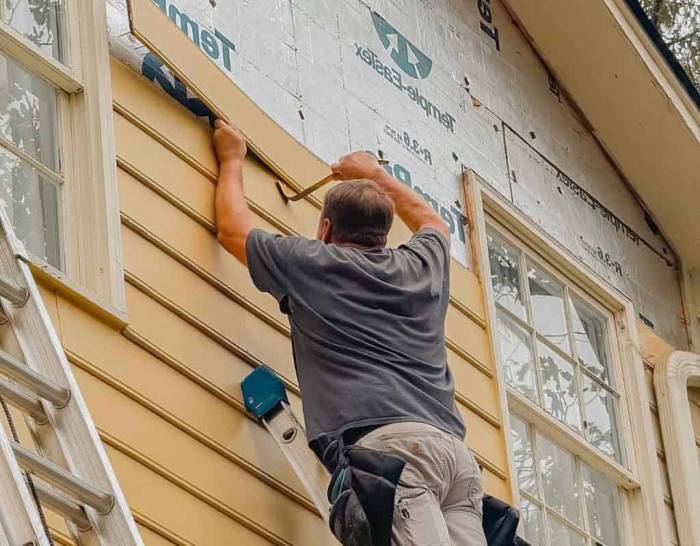
In conclusion, siding replacement contractors are the unsung heroes of home renovations, bringing expertise and skill to every project they undertake. By choosing the right contractor, you can unlock the full potential of your home and enjoy lasting beauty and functionality for years to come.
Essential Questionnaire
What are the benefits of hiring professional siding replacement contractors?
Professional contractors bring expertise, efficiency, and quality workmanship to your project, ensuring a seamless and successful siding replacement.
How can I verify the credibility of siding replacement contractors?
You can check for licenses, certifications, customer reviews, and examples of their past work to assess the credibility of siding replacement contractors.
What are the common types of siding materials used in replacement projects?
Common siding materials include vinyl, fiber cement, wood, and metal, each with their own advantages and considerations.
What factors should I consider when selecting a siding replacement contractor?
Consider factors such as experience, pricing, warranties, and communication skills when choosing a siding replacement contractor.