


As exterior siding repair takes center stage, this guide invites readers into the world of maintaining the exterior of their homes. From understanding the importance of siding repair to exploring DIY tips and hiring professionals, this comprehensive overview ensures a smooth journey towards a well-maintained and visually appealing home.
Exploring the various types of damages, methods for assessment, cost considerations, and the benefits of hiring professionals, this guide covers all aspects of exterior siding repair to equip homeowners with the knowledge needed to make informed decisions.
Importance of Exterior Siding Repair
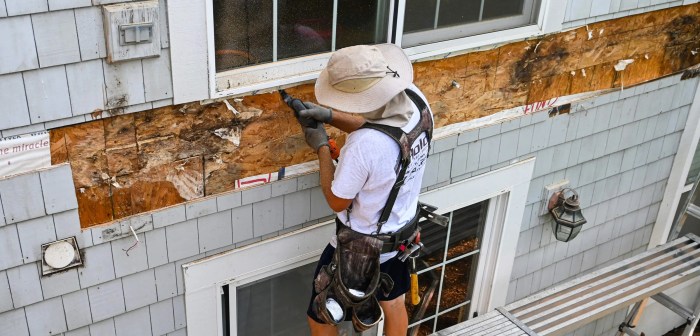
Keeping the exterior siding of a building in good condition is crucial for various reasons. It not only enhances the aesthetic appeal of the property but also plays a significant role in maintaining the structural integrity and protecting the interior from external elements.
Impact on Overall Look and Integrity
Damaged siding can greatly impact the overall look of a building, giving it a neglected and unappealing appearance. This can affect the property value and curb appeal, making it less attractive to potential buyers or visitors. Additionally, compromised siding can lead to water infiltration, moisture buildup, and mold growth, which can ultimately weaken the structure of the building over time.
Potential Risks of Neglected Siding Repair
- Water Damage: Cracked or missing siding allows water to seep into the walls, causing rot, mold, and mildew.
- Insect Infestation: Holes or gaps in the siding can serve as entry points for insects, leading to infestations that can damage the interior of the building.
- Elevated Energy Costs: Poorly maintained siding can result in decreased energy efficiency, leading to higher heating and cooling bills.
- Structural Damage: Over time, neglected siding can compromise the structural integrity of the building, posing safety hazards to occupants.
Common Types of Exterior Siding Damage
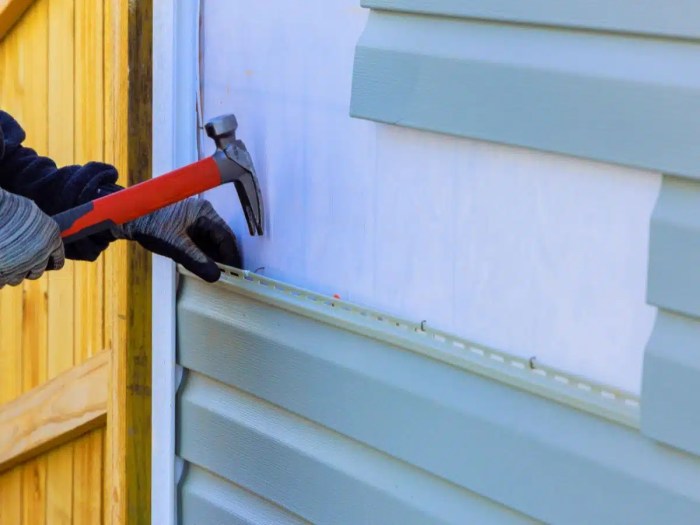
Exterior siding can suffer from various types of damage due to a range of factors such as weather conditions, pests, or simply wear and tear over time. It is essential to be aware of the different types of damage to address them promptly and prevent further deterioration.
Cracks and Holes
One common type of damage to exterior siding is the presence of cracks and holes. These can be caused by impacts from objects, such as hail or tree branches, or from the expansion and contraction of the material due to temperature changes.
Water Damage
Water damage is another significant issue that can affect exterior siding. This type of damage is often caused by poor installation, leaks in the roof or gutters, or prolonged exposure to rain and moisture. Signs of water damage include rotting, warping, or discoloration of the siding.
Mold and Mildew
Exterior siding that is constantly exposed to moisture can develop mold and mildew growth. This not only affects the appearance of the siding but can also pose health risks to occupants of the building. Signs of mold and mildew include black or green spots on the siding.
Pest Infestation
Pests such as termites, carpenter bees, or ants can cause damage to exterior siding by burrowing into the material. This can weaken the structure of the siding and compromise its integrity. Signs of pest infestation include small holes, sawdust piles, or insect activity around the siding.
Methods for Assessing Siding Damage
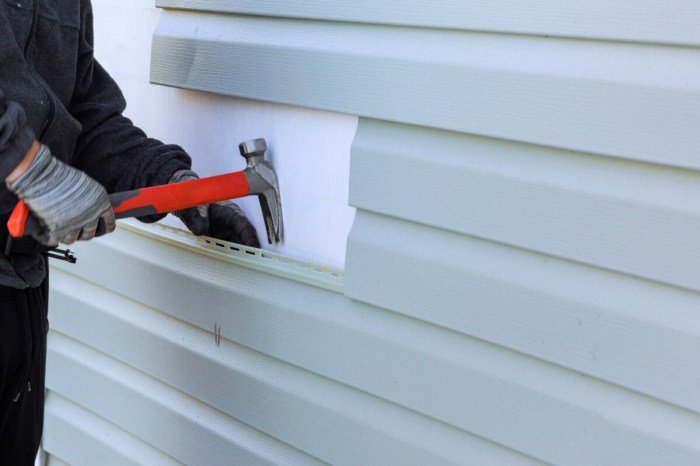
Inspecting your exterior siding for damage is crucial to maintain the structural integrity and aesthetic appeal of your home. By following these steps, you can identify areas that require repair or replacement and ensure the longevity of your siding.
Step 1: Visual Inspection
- Begin by visually inspecting the exterior siding of your home. Look for signs of cracks, warping, rotting, or discoloration.
- Check for any areas where the siding is loose or pulling away from the wall.
- Examine the seams and corners for gaps or damage.
Step 2: Physical Inspection
- Use a screwdriver to gently probe areas that appear to be damaged. Soft spots or areas that give when pressed may indicate rot.
- Tap on the siding with a rubber mallet to listen for hollow sounds, which could signal decay underneath.
- Inspect the backside of the siding for signs of moisture or mold growth.
Step 3: Water Test
- Spray water from a garden hose at various angles onto the siding to check for leaks or water infiltration.
- Observe how the water behaves on the surface of the siding, looking for areas where it pools or does not drain properly.
- Pay attention to any water stains or discoloration that may appear on the siding.
DIY Exterior Siding Repair Tips
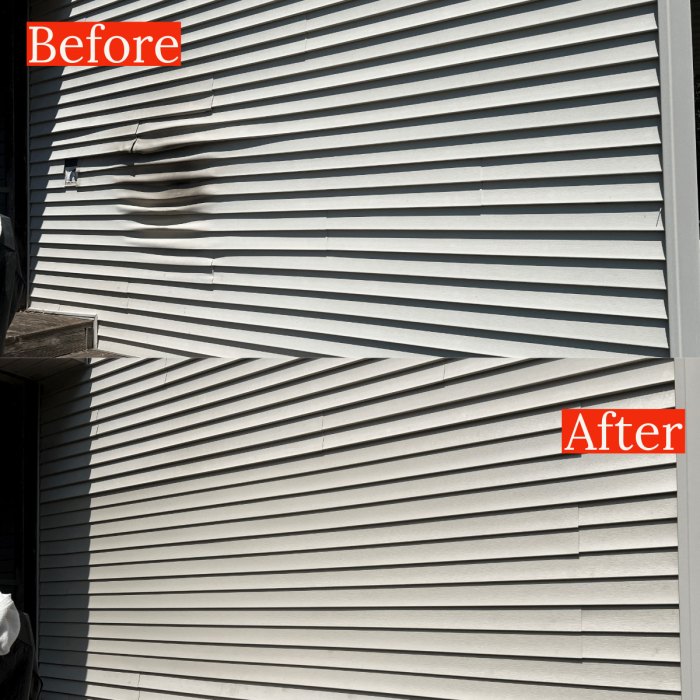
Repairing minor siding damage on your own can save you time and money. Here are some beginner-friendly tips to help you tackle your DIY siding repair projects.
Essential Tools for DIY Siding Repair
When it comes to repairing your exterior siding, having the right tools is essential. Here are some tools you'll need for your DIY siding repair projects:
- Siding repair kit
- Hammer
- Utility knife
- Caulking gun
- Pry bar
- Replacement siding pieces
- Paint and primer
Safety Precautions for DIY Siding Repair
Safety should always be a top priority when working on exterior siding repairs. Here are some safety precautions to consider:
- Wear safety goggles and gloves to protect your eyes and hands.
- Use a sturdy ladder and make sure it is placed on level ground.
- Avoid working in extreme weather conditions, such as high winds or rain.
- Be cautious when using power tools and always follow the manufacturer's instructions.
- Work with a partner for assistance, especially when working at heights.
Hiring Professionals for Exterior Siding Repair
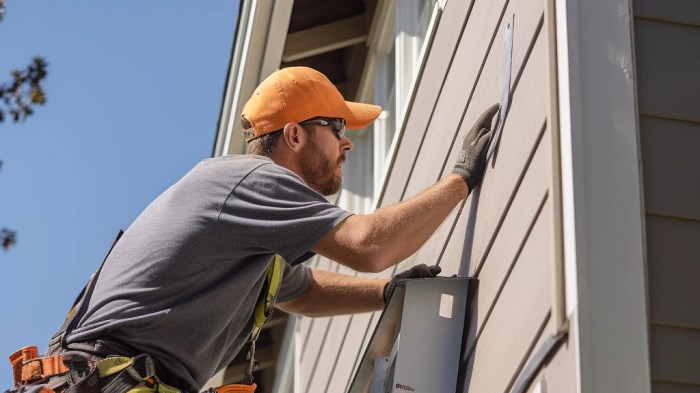
When it comes to exterior siding repair, there are instances where hiring a professional is the best course of action. While some minor repairs can be done DIY, more complex issues require the expertise of professionals.
Benefits of Hiring Experts for More Complex Siding Issues
- Expertise: Professional contractors have the necessary skills and experience to handle complex siding repairs efficiently.
- Quality Workmanship: Professionals can ensure that the repair work is done correctly, leaving no room for errors.
- Time and Cost-Efficiency: Hiring professionals can save you time and money in the long run by avoiding costly mistakes and ensuring the job is done right the first time.
- Access to Tools and Materials: Professionals have access to specialized tools and high-quality materials that may not be readily available to homeowners.
Tips on How to Choose the Right Siding Repair Contractor
- Ask for Recommendations: Seek recommendations from friends, family, or neighbors who have had similar repair work done.
- Check Credentials: Ensure the contractor is licensed, insured, and has a good reputation in the industry.
- Request Multiple Quotes: Get quotes from multiple contractors to compare prices and services offered.
- Review Past Work: Ask to see examples of the contractor's past siding repair projects to gauge their quality of work.
- Get a Written Contract: Make sure to have a detailed written contract outlining the scope of work, timeline, and costs involved.
Cost Considerations for Exterior Siding Repair
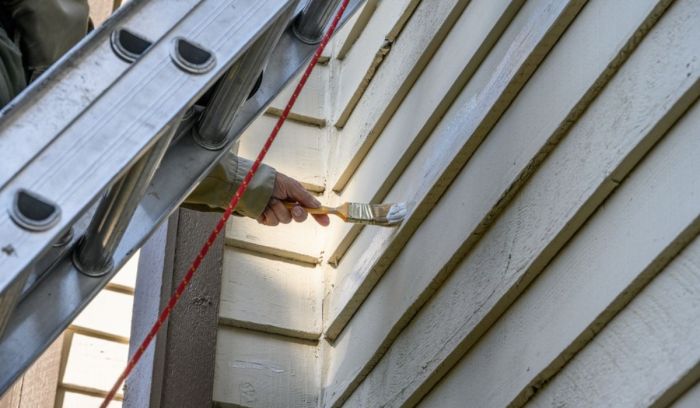
When it comes to exterior siding repair, understanding the potential costs involved is crucial for effective budgeting and planning. Let's break down the different factors that can influence the overall cost of a siding repair project and provide tips on how to budget effectively to avoid unexpected expenses.
Types of Siding Repairs and Associated Costs
- Minor repairs such as fixing small cracks or holes can cost anywhere from $100 to $400, depending on the extent of the damage and the type of siding material.
- Replacing a section of siding due to water damage or rot can range from $500 to $1,500, including labor and materials.
- For larger scale repairs such as replacing an entire side of the house, costs can escalate to $5,000 or more, particularly if specialty materials are required.
Factors Influencing Cost
- The type of siding material used, with some materials being more expensive than others.
- The extent of the damage and the amount of siding that needs to be repaired or replaced.
- Accessibility of the damaged area, as hard-to-reach spots may require additional labor costs.
- The need for special tools or equipment to complete the repair effectively.
Tips for Budgeting
- Get multiple quotes from different contractors to compare prices and services offered.
- Factor in additional costs such as permits, disposal fees, and any unexpected repairs that may arise during the project.
- Set aside a contingency fund of at least 10-15% of the total project cost to cover any unforeseen expenses.
Final Wrap-Up
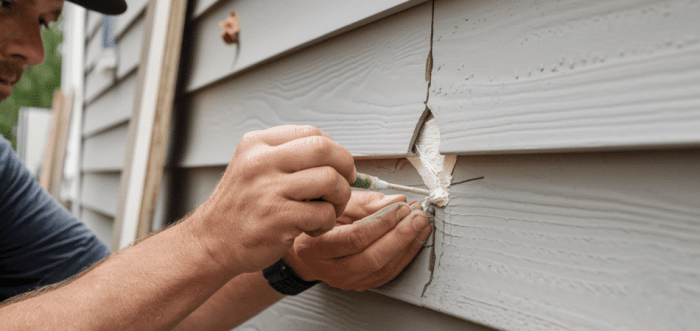
In conclusion, exterior siding repair is not just about aesthetics but also about preserving the structural integrity of your home. By understanding the importance of timely repairs, identifying signs of damage, and knowing when to seek professional help, you can ensure that your home remains a safe and beautiful haven for years to come.
Questions Often Asked
What are the common causes of siding damage?
Weather, pests, and aging are common factors contributing to exterior siding damage.
How can I assess if my siding needs repair?
Look for signs such as cracks, warping, or discoloration, and inspect the siding regularly for any damage.
Is DIY siding repair recommended for all types of damages?
DIY repair is suitable for minor damages, but for extensive damage or structural issues, it's best to consult professionals.
What factors can influence the cost of siding repair?
The extent of damage, type of siding material, and labor costs are key factors that can impact the overall cost of repair.
How do I choose the right siding repair contractor?
Look for experienced professionals, check reviews, ask for references, and ensure they are licensed and insured for the job.