


Embark on a journey through the world of commercial vinyl siding installation, where we explore the benefits, process, and key considerations that shape this essential construction element.
Discover the different types of siding, tools and materials needed, preparation and planning steps, installation techniques, and essential maintenance tips for a successful project.
Introduction to Commercial Vinyl Siding Installation
Commercial vinyl siding installation offers numerous benefits for businesses looking to improve the appearance and durability of their buildings. Vinyl siding is known for its low maintenance requirements, cost-effectiveness, and wide range of colors and styles available.
Benefits of Commercial Vinyl Siding
- Enhanced durability and weather resistance
- Low maintenance requirements
- Cost-effective compared to other siding materials
- Wide variety of colors and styles to choose from
Typical Process of Installing Commercial Vinyl Siding
The typical process of installing commercial vinyl siding involves the following steps:
- Preparation of the exterior surface by cleaning and inspecting for any repairs needed
- Measurement and cutting of vinyl siding panels to fit the dimensions of the building
- Installation of starter strips and corner posts
- Securing the vinyl siding panels in place, ensuring proper alignment and spacing
- Finishing touches such as trim installation and caulking
Key Considerations Before Starting a Commercial Vinyl Siding Installation Project
- Assess the condition of the existing exterior surface to determine if any repairs are needed
- Select the appropriate type and color of vinyl siding to match the building's aesthetic and functional requirements
- Obtain necessary permits and approvals from local authorities before starting the installation
- Hire a reputable and experienced contractor to ensure quality installation and long-lasting results
Types of Commercial Vinyl Siding
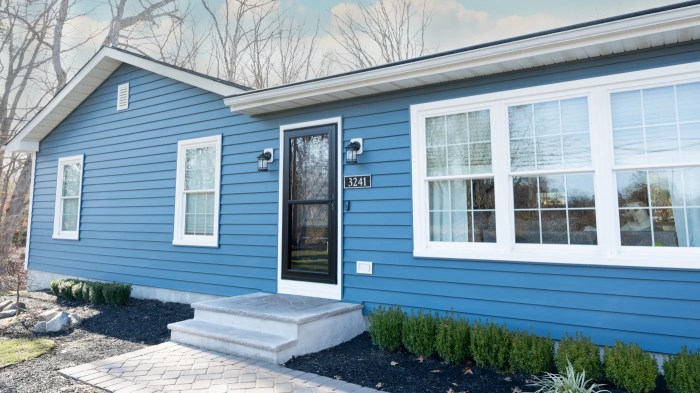
When it comes to commercial vinyl siding, there are several types available in the market, each with its own set of pros and cons. It's important to understand the different options to make an informed decision for your project.
1. Horizontal Vinyl Siding
Horizontal vinyl siding is the most common type used in commercial buildings. It is versatile, easy to install, and comes in a wide range of colors and styles. However, it may not be the best option for areas prone to high winds, as it can be more susceptible to damage.
2. Vertical Vinyl Siding
Vertical vinyl siding offers a unique look and can make a building stand out. It is often used in modern and contemporary designs. While it provides good protection against water intrusion, it may require more maintenance compared to horizontal siding.
3. Shake Vinyl Siding
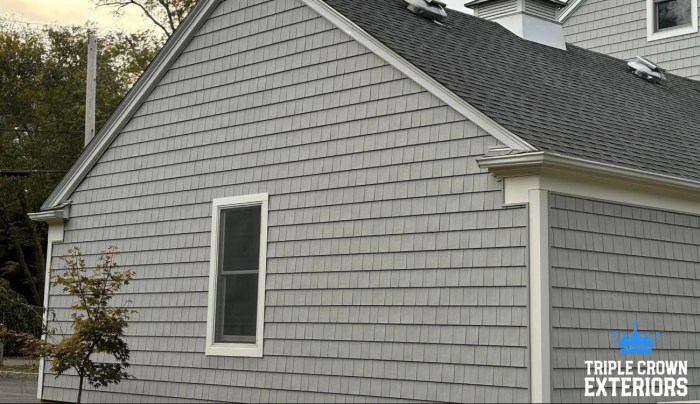
Shake vinyl siding mimics the look of cedar shakes but offers the low maintenance benefits of vinyl. It adds a rustic charm to commercial buildings and is resistant to rot and insects. However, it can be more expensive than other types of vinyl siding.
4. Insulated Vinyl Siding
Insulated vinyl siding comes with a layer of foam insulation attached to the back of the panels. This type of siding can improve energy efficiency and reduce heating and cooling costs. It also provides better noise reduction. On the downside, it is more costly upfront.
Tools and Materials Required
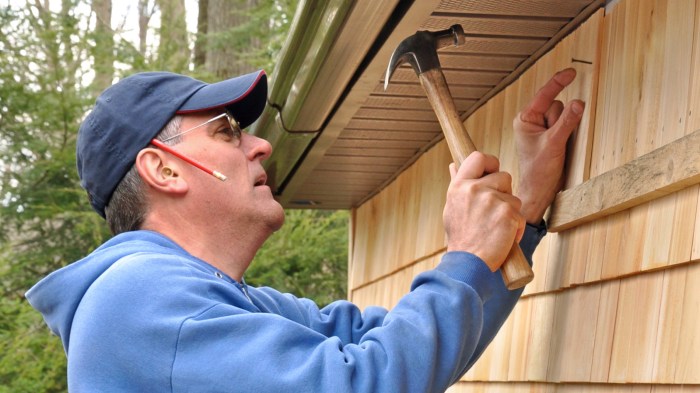
When it comes to commercial vinyl siding installation, having the right tools and materials is crucial for a successful project. Below are the essential items needed and tips on where to source them.
Tools Needed:
- Vinyl siding cutter
- Tin snips
- Level
- Tape measure
- Hammer
- Nail hole punch
- Ladder
- Caulk gun
- Siding removal tool
Materials Required:
- Commercial grade vinyl siding panels
- Siding nails
- J-channel
- Corner posts
- Soffit and fascia
- Trim pieces
- House wrap
- Sealant
Tip: To ensure quality and durability, it's recommended to source tools and materials from reputable suppliers or hardware stores specializing in construction supplies.
Preparation and Planning
Proper preparation and planning are crucial steps before starting a commercial vinyl siding installation. This ensures a smooth and successful project from start to finish.
Importance of Proper Preparation
Proper preparation is essential to ensure that the installation process goes smoothly and that the final result is of high quality. It helps in avoiding costly mistakes and ensures that the siding is installed correctly the first time
- Inspect the area carefully to identify any existing damage or issues that need to be addressed before installing the vinyl siding.
- Clean the surface thoroughly to remove any dirt, debris, or old paint that could affect the adhesion of the siding.
- Make sure the surface is smooth and level to provide a solid foundation for the siding installation.
- Take accurate measurements to determine the amount of siding needed and avoid any wastage.
Planning the Layout and Design
Planning the layout and design of the siding is essential to achieve a visually appealing and structurally sound installation.
- Consider the architectural style of the building and choose a siding design that complements it.
- Determine the starting point for the siding installation and plan the layout to ensure a seamless look across the entire surface.
- Pay attention to the placement of doors, windows, and other architectural features to ensure a cohesive design.
Measuring, Cutting, and Preparation
Measuring, cutting, and preparing the area for installation are critical steps that require attention to detail and accuracy.
- Use a tape measure to accurately measure the dimensions of the area where the siding will be installed.
- Double-check all measurements to avoid errors that could lead to gaps or uneven siding.
- Use a sharp utility knife or siding cutter to cut the vinyl siding to the correct size and shape.
- Pre-drill any necessary holes and make sure all pieces are cut and ready before starting the installation process.
Installation Process
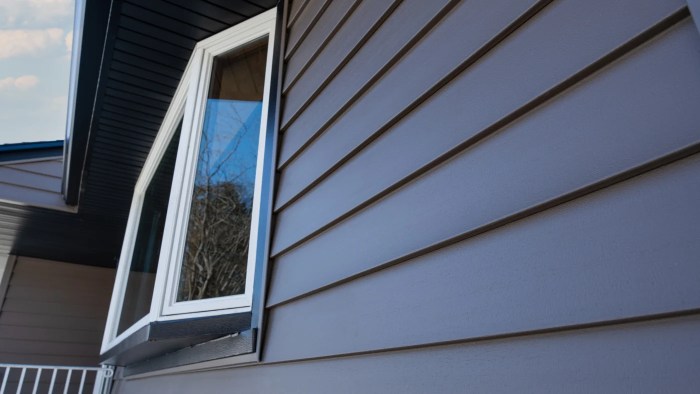
Installing commercial vinyl siding requires attention to detail and proper technique to ensure a seamless and durable finish. Below is a step-by-step guide to help you navigate through the installation process smoothly.
Gather Necessary Tools and Materials
- Commercial vinyl siding panels
- J-channel
- Utility knife
- Tin snips
- Level
- Hammer
- Nails
- Caulk gun
Prepare the Surface
- Clean and inspect the exterior surface for any damage or rot.
- Install a moisture barrier to protect the building from water infiltration.
- Secure J-channel around windows, doors, and corners to provide a finished look.
Begin Installing Siding Panels
- Start at the bottom and work your way up, ensuring each panel overlaps the one below it.
- Cut panels to fit around windows, doors, and corners using a utility knife or tin snips.
- Secure panels with nails, making sure to leave room for expansion and contraction.
Finishing Touches
- Use a level to ensure panels are installed straight and evenly.
- Apply caulk to seal any gaps or joints for added protection against the elements.
- Step back and inspect the installation for any imperfections or areas that may need touch-ups.
Finishing Touches and Maintenance
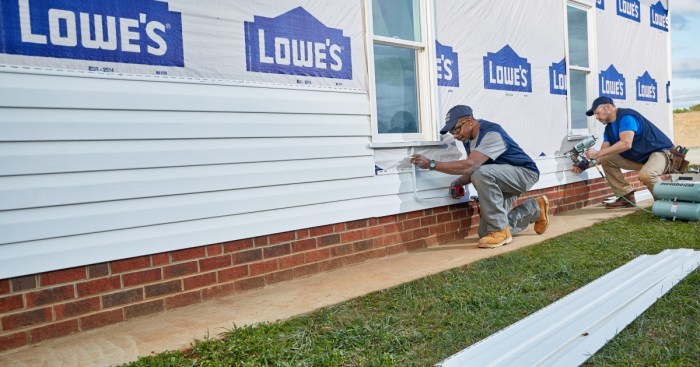
After the installation of commercial vinyl siding, it is crucial to focus on finishing touches and maintenance to ensure the longevity and appearance of the siding.
Enhancing Appearance with Finishing Touches
- Consider adding accessories like trim pieces, corner posts, and soffit to enhance the overall look of the siding.
- Choose complementary colors and textures to create a cohesive and visually appealing exterior for the building.
- Ensure all seams and joints are properly sealed to prevent water infiltration and maintain the structural integrity of the siding.
Importance of Proper Maintenance
- Regularly inspect the siding for any signs of damage, such as cracks, chips, or warping, and address them promptly to prevent further issues.
- Clean the siding periodically to remove dirt, debris, and mold, which can affect the appearance and lifespan of the vinyl material.
- Trim vegetation around the building to prevent it from coming into contact with the siding and causing damage or discoloration.
Cleaning and Caring for Commercial Vinyl Siding
- Use a mixture of mild soap and water to clean the siding, avoiding harsh chemicals or abrasive materials that can damage the surface.
- Rinse the siding thoroughly with a garden hose to remove any soap residue and prevent streaking or discoloration.
- Consider using a soft brush or cloth to gently scrub stubborn stains, taking care not to scratch or dent the vinyl material.
Final Conclusion

As we conclude our discussion on commercial vinyl siding installation, remember that attention to detail and proper maintenance are crucial for ensuring the longevity and durability of your siding. Dive into your project with confidence and watch your building transform with the installation of quality vinyl siding.
Quick FAQs
What are the benefits of using commercial vinyl siding?
Commercial vinyl siding offers durability, low maintenance, versatility in design, and cost-effectiveness compared to other siding options.
What tools are essential for commercial vinyl siding installation?
Essential tools include a measuring tape, utility knife, snap lock punch, zip tool, and a level, among others.
How can I ensure a seamless installation process?
Properly measuring, cutting, and preparing the area, along with following manufacturer guidelines and using quality materials, can help achieve a seamless installation.
What are the key factors to consider when choosing the right type of commercial vinyl siding?
Consider factors such as climate conditions, desired aesthetics, maintenance requirements, and budget when selecting the appropriate type of vinyl siding for your project.