


Exploring the world of siding leak repair, this introduction delves into the causes, signs, and risks associated with leaks in your home's siding. Providing a detailed overview in a casual formal language style, this guide aims to equip you with the knowledge needed to tackle any siding leak issues effectively.
In the subsequent paragraphs, we will cover the inspection, diagnosis, repair methods, and preventative measures to help you maintain your siding and prevent any future leaks.
Understanding Siding Leaks
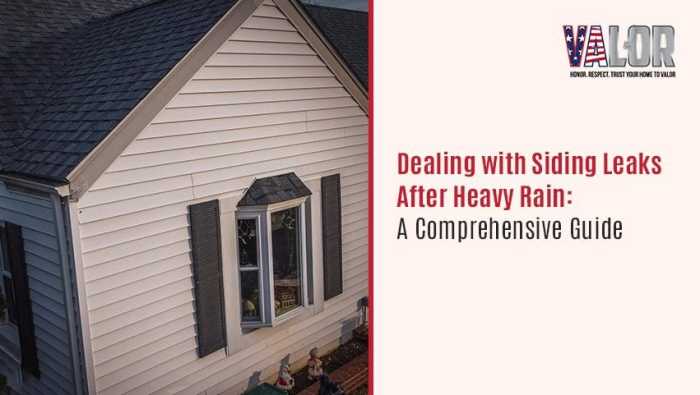
When it comes to siding leaks in homes, there are various factors that can contribute to this common issue. Understanding the causes, signs, and risks associated with siding leaks is crucial for maintaining the integrity of your home.
Causes of Siding Leaks
- Poor installation: Improper installation of siding can lead to gaps or cracks where water can seep through.
- Aging siding: Over time, the wear and tear on siding can cause it to deteriorate, creating vulnerabilities for leaks.
- Extreme weather conditions: Harsh weather such as heavy rain, snow, or wind can damage siding and create opportunities for leaks.
Common Signs of a Siding Leak
- Water stains on interior walls or ceilings
- Mold or mildew growth
- Peeling paint or wallpaper
- Rotting or warping of siding material
Potential Risks of Untreated Siding Leaks
- Structural damage: Water intrusion from siding leaks can compromise the structural integrity of your home.
- Mold and mildew growth: Moisture from leaks can create an environment conducive to mold and mildew, posing health risks to occupants.
- Decreased energy efficiency: Leaks in siding can allow air to escape, leading to increased energy bills due to poor insulation.
Inspection and Diagnosis
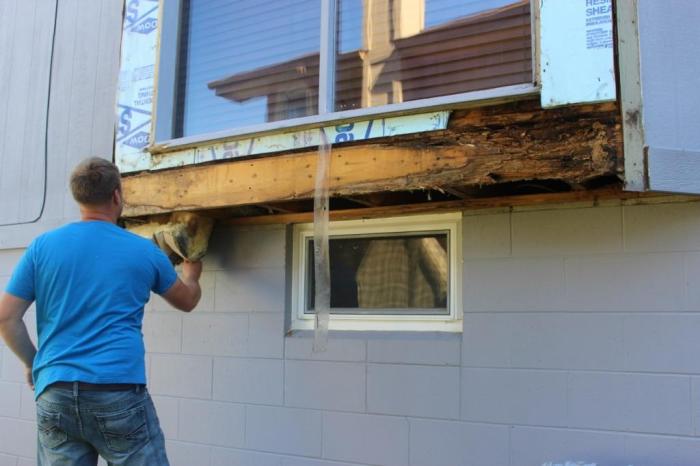
When it comes to dealing with siding leaks, a crucial step is to perform a thorough inspection to identify the source of the problem. By carefully examining the siding, you can pinpoint the areas that are compromised and in need of repair.
Inspecting Siding for Leaks
- Start by visually inspecting the exterior of your home, looking for any signs of water damage such as mold, mildew, or discoloration on the siding.
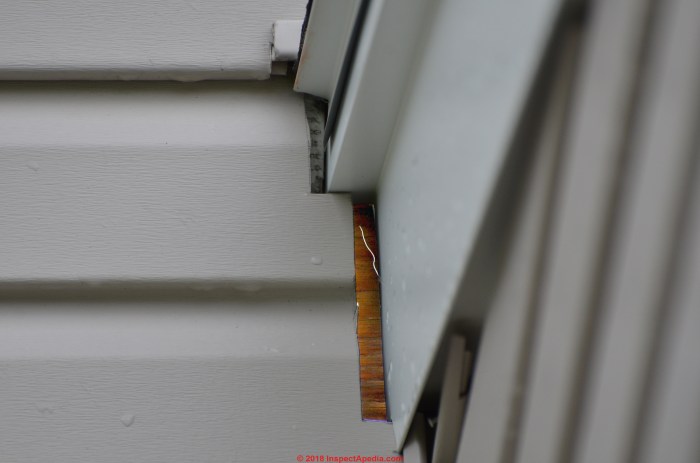
- Check for any cracks, gaps, or holes in the siding where water could potentially seep through.
- Pay close attention to areas around windows, doors, and vents, as these are common spots for leaks to occur.
Tools Needed for Diagnosing Siding Leaks
- A ladder to safely reach higher areas of the siding.
- A flashlight to illuminate dark or hidden areas for a more detailed inspection.
- A moisture meter to detect any moisture levels within the siding materials.
The Importance of a Thorough Inspection
A thorough inspection is crucial in identifying the source of a siding leak because it allows you to accurately pinpoint the areas that require repair. Without a comprehensive examination, it can be challenging to effectively address the issue, leading to recurring leaks and potential damage to your home.
Repair Methods
When it comes to fixing siding leaks, there are various repair methods available. It is important to consider whether a temporary fix will suffice or if a more permanent solution is needed to address the issue properly.
Temporary Fixes vs Permanent Solutions
- Temporary Fixes:
- Permanent Solutions:
Temporary fixes may include using caulk or sealant to patch up the leak temporarily. While this can help stop the leak in the short term, it is not a long-term solution and may need to be redone periodically.
For a more permanent solution, replacing the damaged siding or resealing the area with new materials may be necessary. This ensures that the leak is properly addressed and prevents future issues.
Step-by-Step Repair Process
- Identify the source of the leak by inspecting the siding for any cracks, holes, or damage.
- Clean the area around the leak and remove any debris or dirt that may interfere with the repair process.
- Apply a suitable sealant or caulk to the damaged area to patch up the leak temporarily if needed.
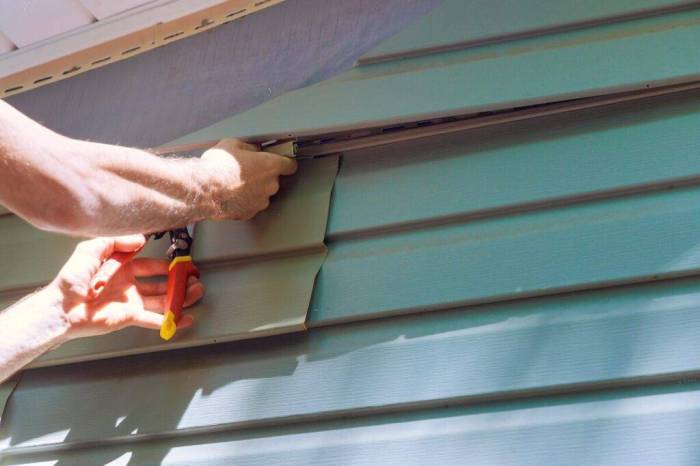
- If a more permanent solution is required, remove the damaged siding and replace it with new materials.
- Ensure that the new siding is properly installed and sealed to prevent future leaks.
Preventative Measures
To avoid future siding leaks, it is crucial to implement preventative measures that can help maintain the integrity of your siding. By designing a maintenance plan, organizing regular inspections, and ensuring proper installation, you can significantly reduce the risk of leaks and water damage to your property.
Design a Maintenance Plan
Creating a maintenance plan for your siding involves scheduling regular inspections and addressing any issues promptly. This plan should include tasks such as cleaning the siding, checking for signs of damage, and making necessary repairs. By staying proactive, you can prevent small problems from escalating into larger, more costly issues.
Organize a Checklist for Inspection and Maintenance
Developing a checklist for inspecting and maintaining your siding can help ensure that no areas are overlooked. This checklist should include items such as checking for cracks, gaps, or holes in the siding, inspecting caulking and sealants, and clearing debris from the siding surface.
By following a systematic approach, you can catch potential problems early and take appropriate action.
Proper Installation for Prevention
One of the most effective ways to prevent siding leaks is to ensure that the siding is installed correctly from the beginning. Proper installation involves using quality materials, following manufacturer guidelines, and sealing seams and joints properly. By investing in professional installation and adhering to best practices, you can minimize the risk of leaks and prolong the lifespan of your siding.
Final Wrap-Up
In conclusion, this guide has offered insights into identifying, repairing, and preventing siding leaks. By following the Artikeld steps and tips, you can ensure that your home remains protected and free from any potential water damage caused by siding leaks.
Query Resolution
What are the common signs of a siding leak?
Common signs include peeling paint, mold or mildew growth, water stains on interior walls, and a musty odor in your home.
What repair methods are available for fixing siding leaks?
Repair methods include sealing cracks, replacing damaged siding pieces, and applying waterproof coatings.
How can proper installation help prevent future siding leaks?
Proper installation ensures that siding materials are correctly attached and sealed, reducing the chances of leaks developing over time.