


Discover the transformative power of home siding installation as we delve into the key aspects of this essential home improvement project. From enhancing curb appeal to increasing durability, get ready to explore the world of siding options and installation tips.
Introduction to Home Siding Installation
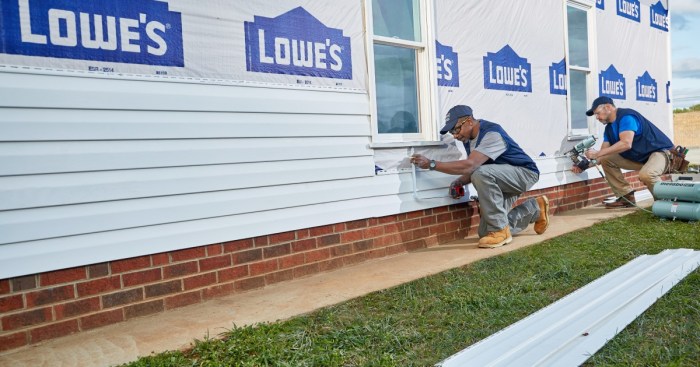
Home siding plays a crucial role in protecting a house from the elements and enhancing its overall appearance. By choosing to install new siding, homeowners can enjoy a range of benefits that go beyond just aesthetics.
The Importance of Home Siding
Quality siding acts as a shield against harsh weather conditions such as rain, snow, and UV rays, helping to prevent damage to the underlying structure of the house. It also serves as an insulator, improving energy efficiency and reducing heating and cooling costs.
Benefits of Installing New Siding
- Enhanced durability and weather resistance
- Improved energy efficiency
- Increased property value
- Reduced maintenance and repair costs
Enhancing Curb Appeal
High-quality siding can transform the look of a home, boosting its curb appeal and making it stand out in the neighborhood. Whether opting for a modern style or a classic finish, new siding can instantly refresh the exterior of a house and increase its attractiveness to potential buyers.
Types of Home Siding Materials
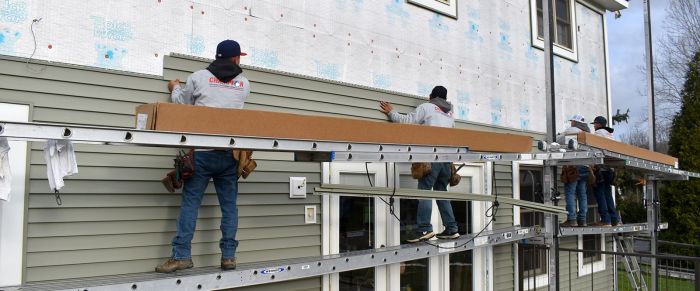
When it comes to home siding, there are various materials to choose from, each with its own unique characteristics and benefits. Let's compare and contrast some of the most popular siding materials available in the market today.
Vinyl Siding
Vinyl siding is a popular choice for homeowners due to its affordability and low maintenance requirements. It is available in a wide range of colors and styles, making it versatile for different architectural designs. However, vinyl siding may not be as durable as other materials and can crack or fade over time.
Wood Siding
Wood siding offers a natural and timeless look to a home, adding warmth and character. It can be painted or stained in various colors to suit personal preferences. While wood siding is durable and long-lasting when properly maintained, it requires regular upkeep such as painting or staining to prevent rot and decay.
Fiber Cement Siding
Fiber cement siding is a popular choice for its durability and resistance to fire, insects, and rot. It can mimic the look of wood or stucco without the high maintenance requirements. Fiber cement siding is also available in a variety of colors and textures, providing homeowners with many design options.
Metal Siding
Metal siding, such as aluminum or steel, is known for its strength and longevity. It is resistant to fire, rot, and insects, making it a low-maintenance option for homeowners. Metal siding can be painted or coated for additional protection and aesthetic appeal, offering a modern and sleek look to a home.
Preparation Before Installation
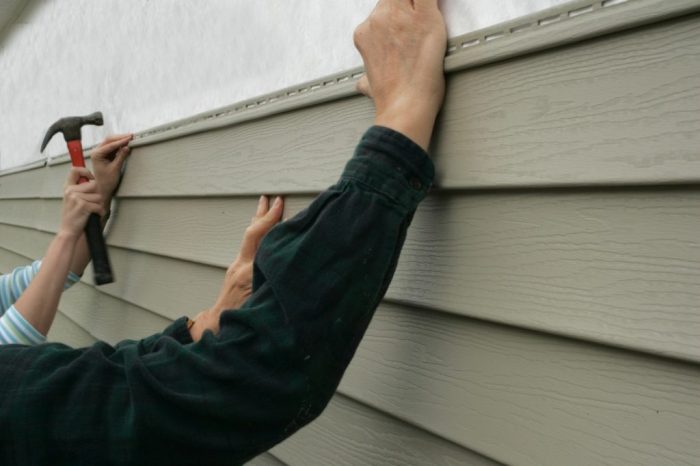
Before starting the installation of home siding, it is crucial to properly prepare the house to ensure a successful and long-lasting outcome. This involves inspecting the exterior walls, ensuring proper insulation, and weatherproofing.
Inspecting Exterior Walls
Inspecting the exterior walls of the house is essential before installing siding. This step allows you to identify any existing damage, rot, or moisture issues that need to be addressed before proceeding with the installation. By fixing these issues beforehand, you can prevent further damage and ensure a sturdy foundation for the siding.
Proper Insulation and Weatherproofing
Ensuring proper insulation and weatherproofing is key to protecting your home from the elements and improving energy efficiency. Proper insulation helps regulate indoor temperature and reduce energy costs, while weatherproofing prevents water infiltration and damage to the structure. Before installing siding, make sure that the insulation is in good condition and that the house is properly sealed to prevent air leaks and moisture penetration.
Home Siding Installation Process
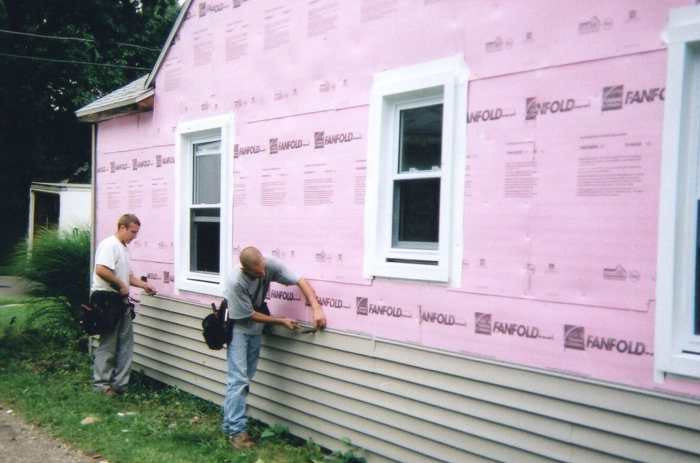
Installing home siding involves a step-by-step process that ensures a successful outcome. It is crucial to have the right tools and equipment, as well as the knowledge of how to measure, cut, and secure siding panels properly.
Step-by-Step Installation Process
- Prepare the surface: Clean and inspect the surface where the siding will be installed to ensure it is free of debris and damage.
- Measure and cut siding panels: Accurately measure the dimensions needed for each panel and use a saw to cut them accordingly.
- Install corner posts and J-channels: These components provide a framework for the siding panels to be attached to.
- Attach the siding panels: Start from the bottom and work your way up, securing each panel in place with nails or screws.
- Overlap and secure joints: Ensure that each panel overlaps correctly with the one next to it and secure the joints to prevent water infiltration.
- Finish with trim pieces: Install trim pieces around windows, doors, and corners to give the siding a polished look.
Tools and Equipment Needed
- Siding panels
- Saw
- Nails or screws
- Caulk and sealant
- Tape measure
- Level
- Siding cutter
Proper Measurement, Cutting, and Securing
- Measure twice, cut once: Double-check all measurements before cutting siding panels to ensure they fit accurately.
- Use a sharp blade: A sharp saw blade will make clean cuts and prevent damage to the siding material.
- Secure panels at the top and bottom: To prevent warping or buckling, make sure to secure siding panels at both ends.
- Follow manufacturer guidelines: Refer to the manufacturer's instructions for specific details on how to properly install the siding material.
Considerations for Hiring Professionals
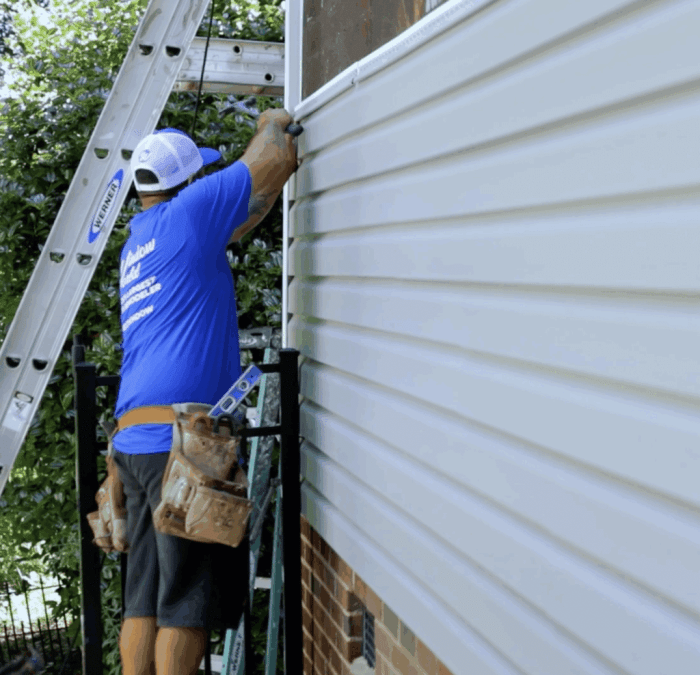
When it comes to home siding installation, hiring professionals can make a significant difference in the outcome of the project. Here are some important considerations to keep in mind when selecting a reputable siding installation company.
Checking Licenses, Insurance, and Warranties
It is crucial to ensure that the siding installation company you choose is properly licensed, insured, and offers warranties for their work. This provides you with protection in case of any issues or damages during the installation process. Before hiring a company, always ask for proof of these credentials to guarantee their legitimacy.
Advantages of Hiring Professionals
- Expertise and Experience: Professional siding installers have the knowledge and skills to ensure a high-quality installation that meets industry standards.
- Efficiency: Professionals can complete the installation in a timely manner, saving you time and hassle.
- Quality Materials: Reputable companies use high-quality materials that are durable and long-lasting.
- Guaranteed Work: Professional installers usually offer warranties on their work, giving you peace of mind knowing that any issues will be taken care of.
- Compliance with Building Codes: Professionals are well-versed in local building codes and regulations, ensuring that your siding installation is done correctly and legally.
Final Conclusion
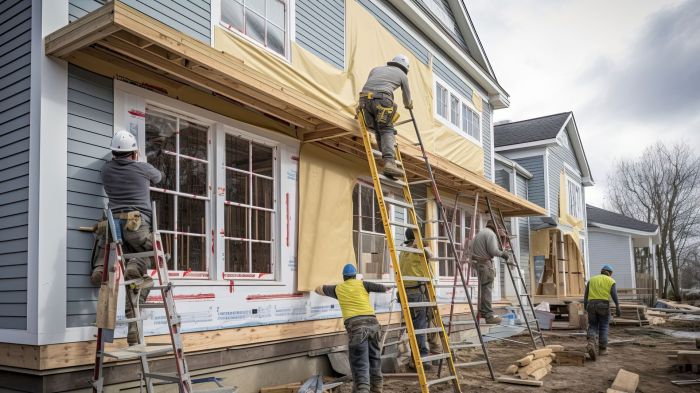
As we conclude our journey through the realm of home siding installation, remember that a well-chosen siding material can not only beautify your home but also provide long-lasting protection. Make informed decisions and watch your home shine with newfound elegance.
Key Questions Answered
What are the benefits of installing new siding?
Installing new siding can increase energy efficiency, improve aesthetics, and boost overall property value.
How do I choose the right siding material for my home?
Consider factors like durability, maintenance requirements, and aesthetic appeal when selecting a siding material.
Why is it important to hire professionals for siding installation?
Professionals can ensure proper installation, offer warranties, and save you time and effort in the long run.